Mouth Breathing in Children: Impacts and Orthodontic Solutions
Discover why mouth breathing in children can have significant consequences on facial development and how orthodontics can help.


By Dr. David Benguira, Orthodontic Specialist
Mouth breathing is a common disorder in children, often overlooked but with potentially significant consequences. As an orthodontist, I regularly encounter children whose facial development has been affected by this habit. Understanding this phenomenon is essential for acting at the right time.
What is Mouth Breathing?
Normally, we breathe through our nose. Nasal breathing filters, humidifies, and warms the air before it reaches our lungs. In some children, obstacles such as enlarged adenoids, chronic allergies, or a deviated septum force them to breathe through their mouth.
Signs to Watch For
Here are the signs that should alert parents:
- Mouth constantly open, even at rest
- Nighttime snoring or noisy breathing during sleep
- Dry, chapped lips
- Dark circles under the eyes
- Daytime fatigue and concentration difficulties
- Forward head posture
Consequences on Facial Development
Chronic mouth breathing can lead to what is called "adenoid facies":
- Long, narrow face
- High, narrow palate (gothic palatal vault)
- Recessed lower jaw
- Dental malocclusion (misaligned teeth)
- Anterior open bite (upper and lower teeth don't touch)
These changes occur because the tongue, normally resting on the palate, stays in a low position. Without tongue pressure, the palate doesn't expand properly.
The Orthodontic Approach
At the Orthodontic Center, we adopt a comprehensive approach:
1. Multidisciplinary Diagnosis
We work with ENT specialists and allergologists to identify and treat the cause of nasal obstruction.
2. Palatal Expansion
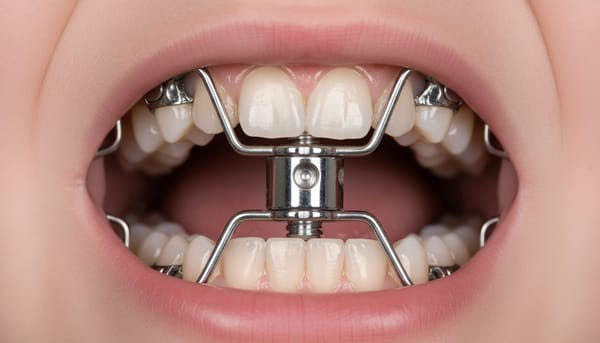
In growing children, a palatal expander can widen the palate, creating more space for the tongue and improving nasal airway.
3. Functional Rehabilitation
Collaboration with a speech therapist helps retrain tongue position and restore nasal breathing.
4. Orthodontic Treatment
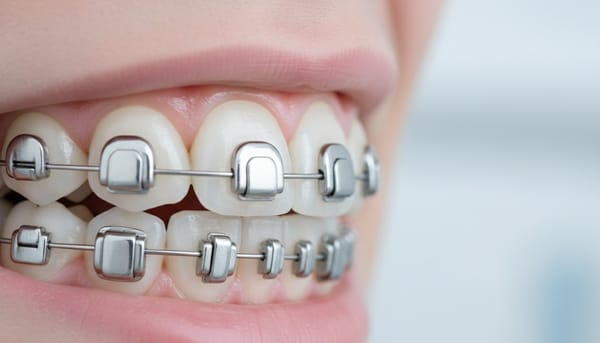
Once breathing is normalized, orthodontic treatment corrects developed malocclusions.
The Importance of Early Action
A child's face is still developing. The earlier the intervention, the better the results. This is why the American Association of Orthodontists recommends a first orthodontic consultation at age 7.
Conclusion
Mouth breathing is not just a "bad habit." It's a functional disorder that deserves special attention. If you observe these signs in your child, don't hesitate to consult. Early intervention can make all the difference in their facial development and quality of life.
For a complete evaluation, schedule a free consultation at the Orthodontic Center of Dr. David Benguira.